Blog
Are Pore Strips Good or Bad for Your Skin? The Complete Truth About Pore Strips

You’ve seen them in every drugstore, plastered across social media feeds, and probably tried them yourself—those satisfying pore strips that promise to yank out blackheads and leave your skin smooth and clear. But are pore strips good or bad for your skin? The answer isn’t as simple as you might think, and understanding the science behind these popular skincare products is crucial for making informed decisions about your pore health.
The question “are pore strips bad for your skin” has sparked heated debates among dermatologists, skincare enthusiasts, and beauty experts. While some swear by their immediate results, others warn of potential damage and long-term consequences. In this comprehensive guide, we’ll break down exactly how pore strips work, examine the pros and cons of pore strips, reveal what dermatologists really think, and provide safer alternatives for achieving clear, healthy-looking pores.
What Are Pore Strips and How Do They Work?
Before we can determine if pore strips are good or bad, we need to understand exactly what they do and how they function.
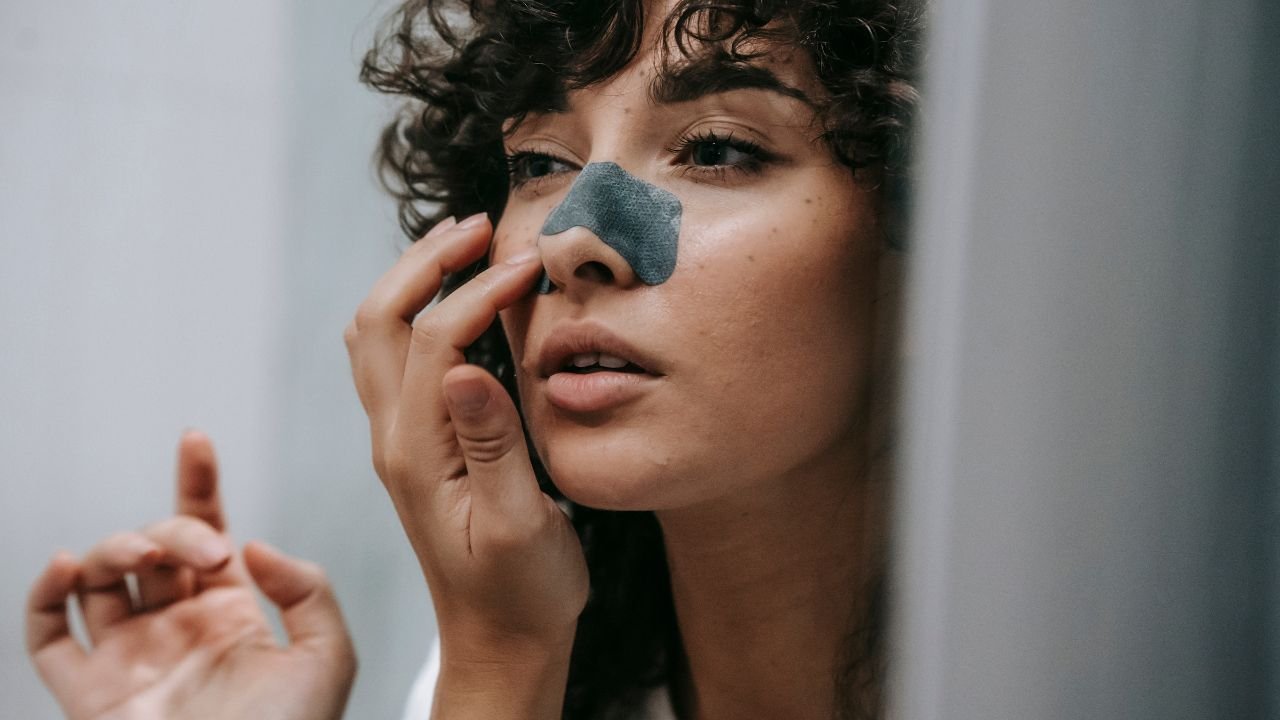
- The Basic Mechanism: Pore strips are adhesive strips—typically made with a water-activated glue—that you apply to damp skin, let dry, and then peel off. The adhesive bonds to the top layer of debris in your pores and physically pulls it out when removed.
- What They Actually Remove: Most of what you see on a used pore strip isn’t actually blackheads—it’s sebaceous filaments, which are naturally occurring collections of oil and dead skin cells that line your pores. These are completely normal and actually serve a protective function for your skin.
- The Satisfying Visual: The gunk visible on a used pore strip creates that satisfying “proof” of cleaning, which is why they’re so popular on social media. However, this instant gratification doesn’t necessarily mean your skin is healthier.
- The Temporary Effect: Any smoothness you feel after using pore strips is temporary. The filaments and oil will return within days or weeks because they’re a natural part of your skin’s function, not an impurity that needs permanent removal.
The Science: Are Pore Strips Bad for Your Skin?
Let’s examine what dermatologists and scientific research say about pore strip side effects and whether pore strips damage skin.
Potential Benefits of Pore Strips
- Immediate Surface Clearing: Pore strips do effectively remove the top layer of sebaceous filaments and surface debris, creating a temporarily cleaner appearance.
- Instant Gratification: The visual and tactile satisfaction of smooth skin can boost confidence, even if the effect is short-lived.
- No Harsh Chemicals Required: Basic pore strips don’t typically contain strong active ingredients, making them potentially less irritating than some chemical treatments.
- Quick and Convenient: They require no special skills, take only 10-15 minutes, and provide immediate results without a multi-step routine.
Potential Risks and Downsides
- Skin Irritation and Redness: The aggressive adhesive can cause redness, irritation, and inflammation, especially on sensitive skin. Many people wonder “are pore strips bad for sensitive skin”—the answer is usually yes.
- Broken Capillaries: The forceful pulling action can damage delicate blood vessels near the skin’s surface, leading to visible broken capillaries that are permanent.
- Disrupted Skin Barrier: Removing the top layer of skin repeatedly can compromise your skin’s protective barrier, leading to increased sensitivity, dryness, and vulnerability to environmental damage.
- Enlarged Pores Over Time: Contrary to their promise, do pore strips make pores bigger? With repeated use, the constant stretching and pulling can actually enlarge pores rather than minimize them.
- Removal of Natural Protective Oils: Pore strips don’t distinguish between “bad” buildup and beneficial sebum that protects your skin. Stripping away all oil can trigger overproduction as your skin tries to compensate.
- Temporary Results Only: Sebaceous filaments return within 2-4 weeks because they’re a natural part of healthy skin function. Pore strips offer no long-term solution.
- Risk of Infection: Forcefully opening pores and disrupting the skin barrier can create entry points for bacteria, potentially leading to breakouts or infections.
What Dermatologists Say: The Expert Consensus
When asking “what do dermatologists say about pore strips,” the consensus is surprisingly consistent:
When Dermatologists Say They’re Okay
Dermatologists generally agree that pore strips are safe when:
- Used only occasionally (once every 2-3 weeks maximum)
- Applied to non-sensitive, healthy skin
- Used correctly according to package directions
- Followed by proper moisturizing and barrier repair
- Not used on active acne, irritated skin, or broken skin